
Fractional yacht ownership,
explained.
Fractional yacht ownership lets several owners share one vessel. Each holds a share, each receives an agreed period of private use, and the purchase price and running costs are divided between them. A professional operator runs the yacht in between.
It exists because the economics of a large yacht rarely match the reality of how it is used. A privately owned vessel typically sails a handful of weeks a year and is maintained, crewed and insured for all fifty-two.
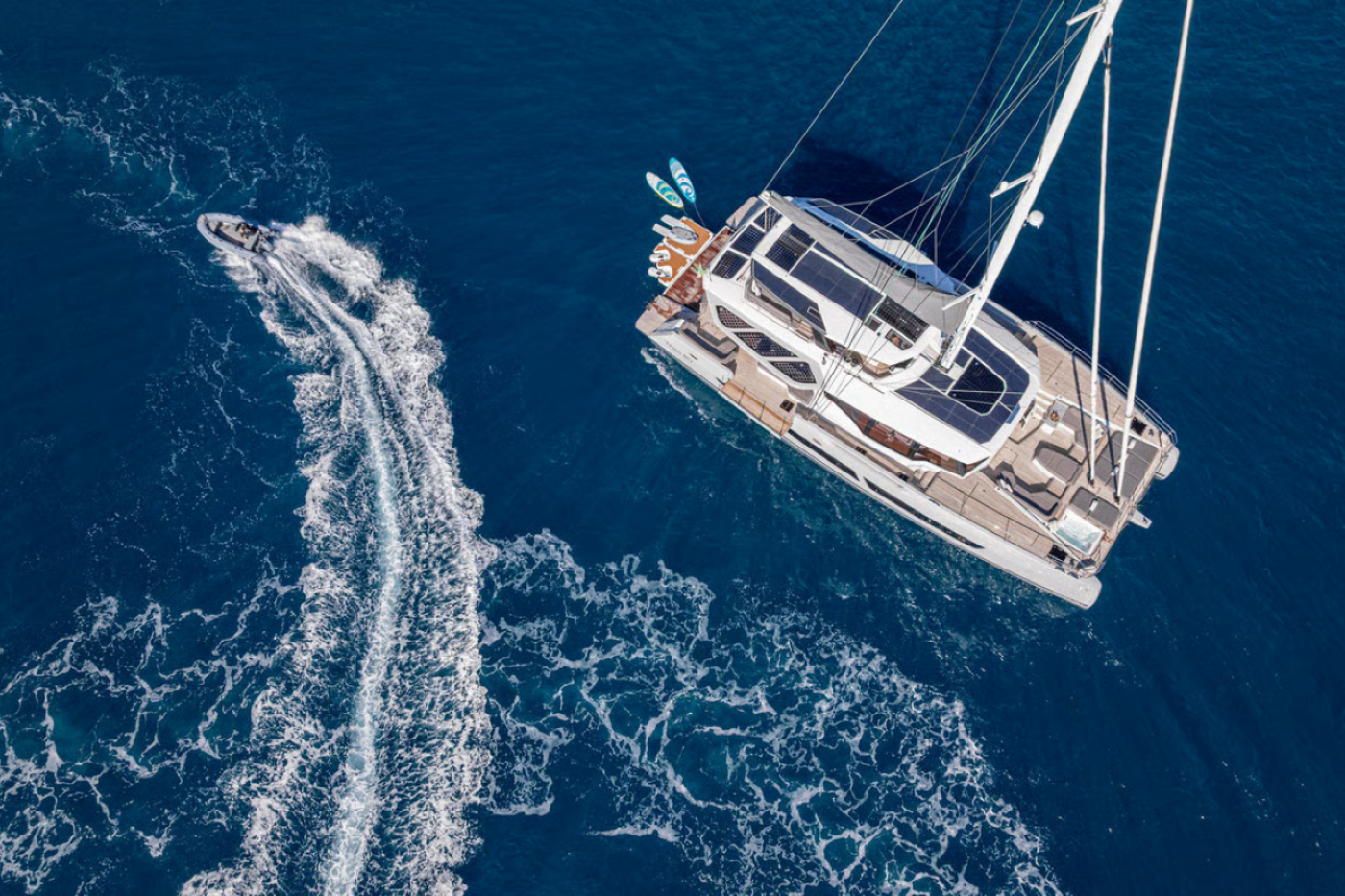
Four ways a yacht can be shared
Yacht share (equity fraction)
Each owner buys a legal share of a single vessel — typically a quarter or an eighth — and receives a proportional allocation of time on board. Value, costs and eventual sale proceeds follow the share.
Yacht syndicate
A small group co-purchases through a company or trust that holds the asset. A management agreement defines scheduling, maintenance standards and exit rules between the members.
Fractional programme
An operator sells fractions across a fleet. Owners swap between vessels and locations, but rarely form a relationship with one specific yacht or crew.
Private expedition ownership
A closed group of owners share one yacht that follows a single planned route, fully operated on their behalf. No fleet, no rotation between boats, no commercial use.
What owners actually share
The purchase price is the visible part. The recurring operating budget is what makes or breaks a shared structure, and it should be transparent before anyone signs.
A fraction of the purchase price, matching the size of the share.
Salaries, rotation and training, divided between the owners.
Scheduled servicing, yard periods and technical management.
Hull, liability and flag-state requirements.
Marinas, fuel, provisioning and movement between stages.
Planning, hospitality and day-to-day operation of the vessel.
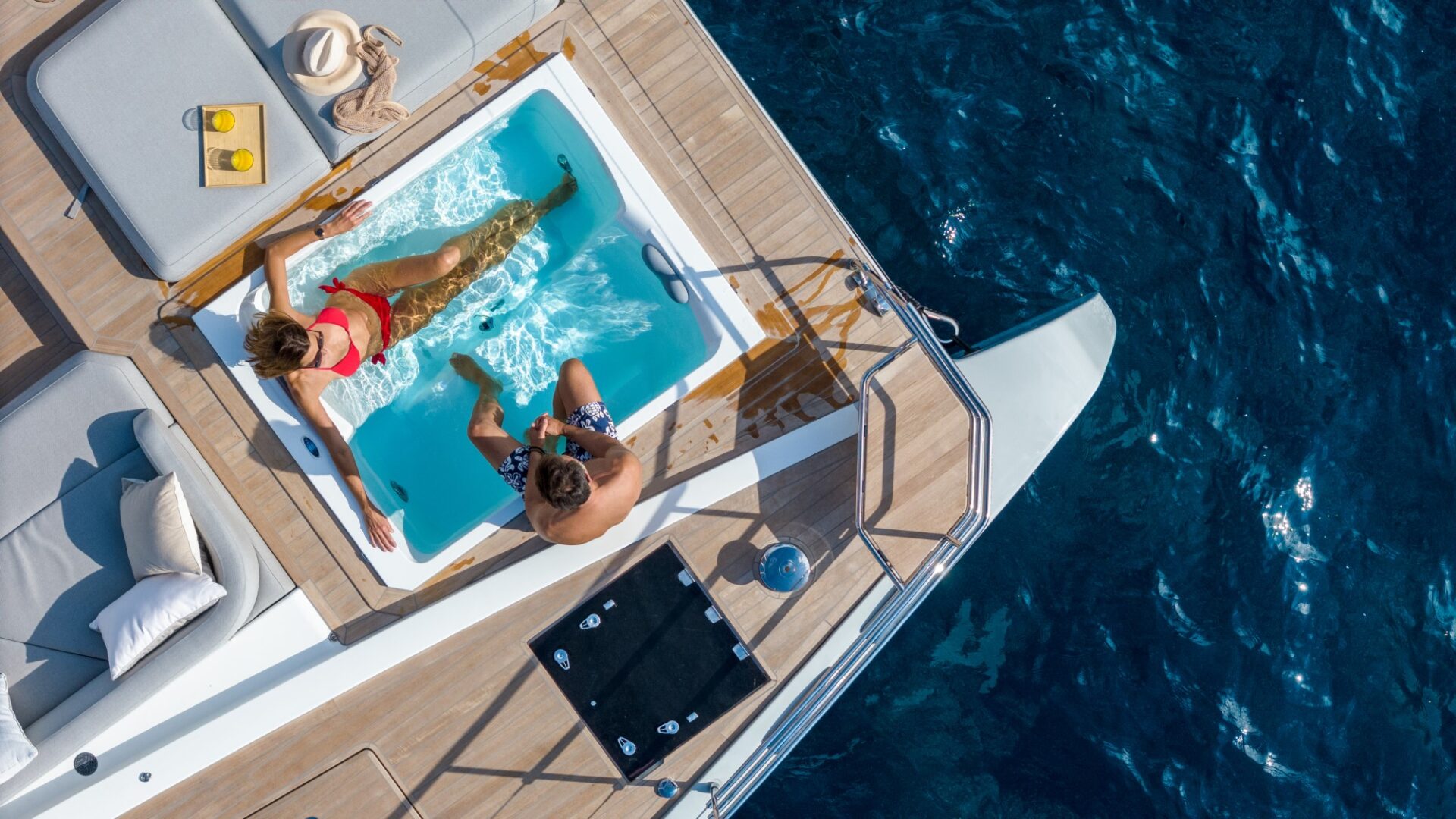
Four owners. One Thira 80.
One route.
The private NAORA expedition applies the logic of fractional yacht ownership to a single Fountaine Pajot Thira 80 — a 24-metre expedition catamaran — shared by four owners and no more.
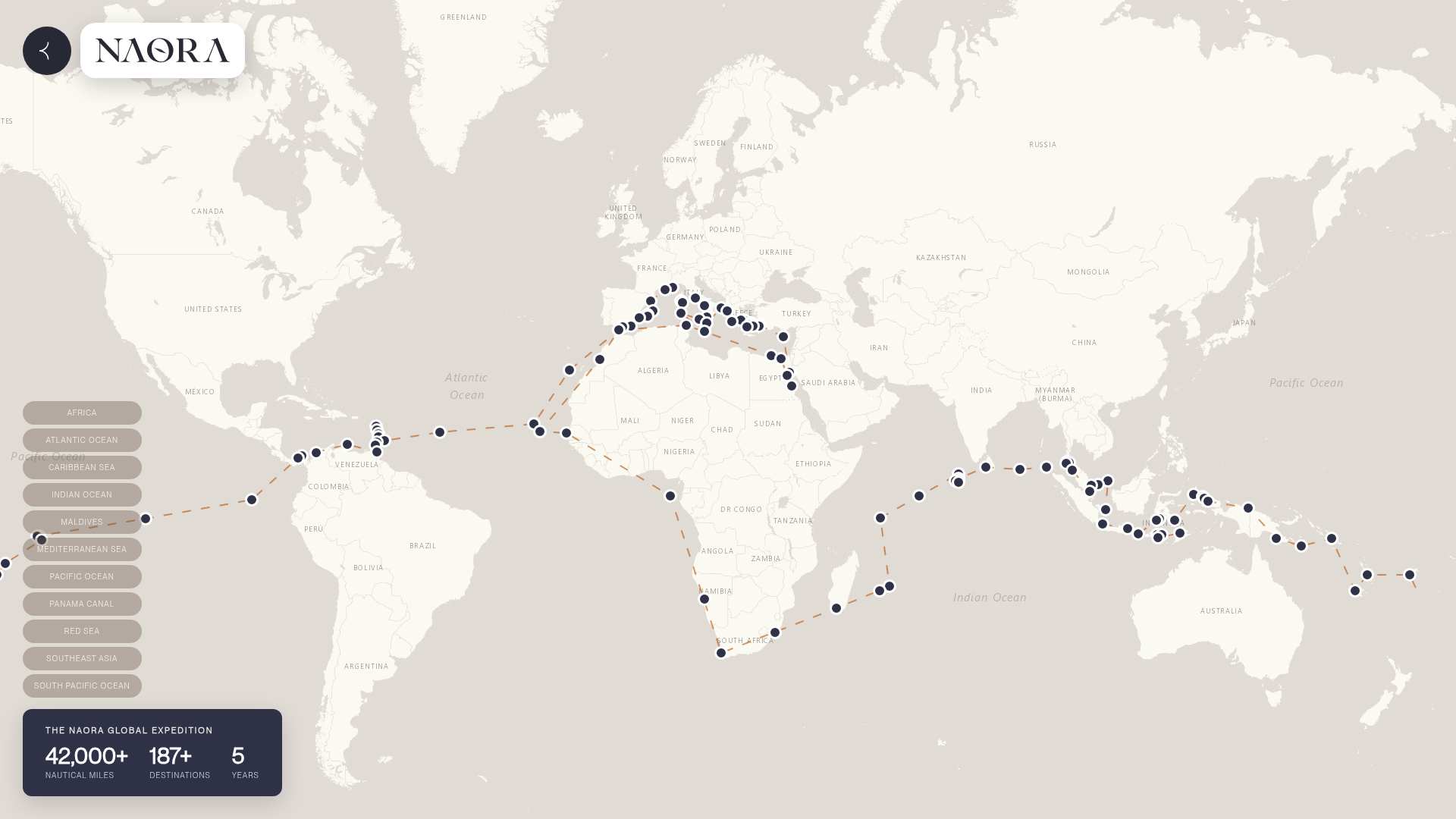
Each owner has their own private time on board along a five-year global route. Between stays the yacht continues sailing to the next stage. NAORA carries the full operation: crew, maintenance, hospitality, compliance and route planning.
There is no chartering, no membership, no commercial participation and no rotation between vessels. Only the yacht, the four owners and the route.
A yacht that keeps moving
In most shared structures the yacht waits in a marina between owners. Here it does not. The Thira 80 follows one continuous passage across the world, so every owner steps on board somewhere new.
Fractional ownership, answered
What is fractional yacht ownership?
Fractional yacht ownership means several owners each hold a share of one yacht and receive an agreed allocation of private time on board. Purchase price and running costs are divided between the owners, while a manager or operator runs the vessel.
How is a yacht share different from a charter?
A charter is a rental for a set period with no asset behind it. A yacht share is ownership: you hold a fraction of the vessel itself, influence how it is run, and carry a proportional part of its value and its costs.
How many owners share one yacht?
Most fractional structures range from two to twelve owners. Smaller groups mean more time on board per owner and simpler decision-making. The private NAORA expedition is limited to four owners of a single Fountaine Pajot Thira 80.
Who operates the yacht?
In a well-structured programme the owners never operate the yacht. Crew, maintenance, compliance, provisioning and route planning are handled by a professional operator, so owners simply arrive and step on board.
Is fractional ownership an investment?
It should not be treated as one. A shared yacht is a shared asset for private use, not a source of income. The private NAORA expedition involves no commercial participation, no chartering and no returns.
One of the four places on board may still be available.